
The Rise of the Wellness Retreat
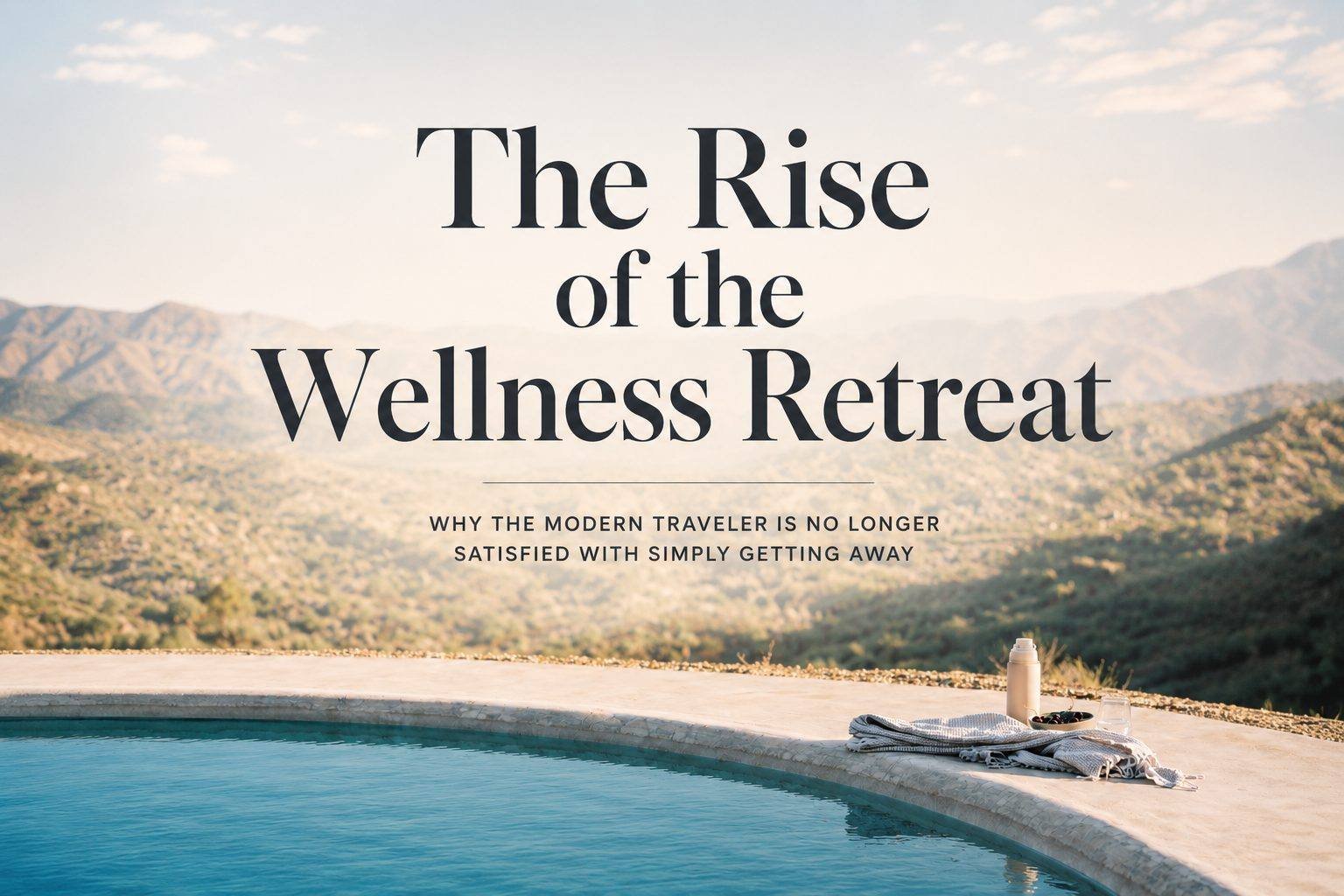
Why the modern traveler is no longer satisfied with simply getting away
For much of the modern travel era, a vacation was defined by escape. One left work, routine, and obligation behind, exchanged the office for a beach or city hotel, and returned home pleasantly tired. The success of the trip was measured in meals eaten, monuments seen, and the temporary suspension of ordinary life.
The wellness retreat proposes something more ambitious. It does not merely promise distance from daily pressures; it promises a degree of repair. Guests arrive not only with luggage but with a purpose: to sleep better, recover from exhaustion, regain strength, reconsider established habits, or navigate a period of personal change.
This shift has produced one of hospitality’s most significant growth stories. According to the Global Wellness Institute, wellness-tourism spending reached $894 billion in 2024. The wider wellness economy was valued at $6.8 trillion that year, while wellness tourism grew by 13.8 percent between 2023 and 2024. What once occupied a specialized corner of the spa industry has become a major force in global travel. (Global Wellness Institute)
From Pampering to Participation
The traditional resort spa was largely supplemental. A guest booked a massage between breakfast and dinner, perhaps attended a morning yoga class, and otherwise followed the familiar rhythms of a luxury holiday.
The contemporary retreat reverses that relationship. Wellness is no longer an amenity attached to the stay; it is the organizing principle of the stay.

The modern retreat treats the entire environment—not simply the spa—as part of the wellness experience.
Programs may include guided movement, nutritional consultations, sleep coaching, meditation, nature immersion, emotional support, diagnostic testing, or structured recovery. Some are clinically oriented and medically supervised. Others are deliberately low-tech, offering little more than silence, walking, simple meals, and freedom from the constant demand to respond.
This variety reflects a broader understanding of wellness itself. The Global Wellness Institute defines wellness as an “active pursuit” of choices and lifestyles that lead toward holistic health. A retreat makes that pursuit temporarily easier by arranging the guest’s surroundings, schedule, food, and professional support around a clearly stated objective. (Global Wellness Institute)
Emlyn Brown, Accor’s global senior vice president of well-being, has argued that the sector must now move beyond fashion.
“Wellness in 2025 will go beyond fleeting trends, grounding itself in science and authenticity.”
That distinction matters. As the category becomes more profitable, the temptation to place fashionable language around ordinary hotel services becomes stronger. Serious retreats increasingly distinguish themselves through qualified practitioners, coherent programs, realistic claims, and practices that guests can continue after leaving. (Accor Group)

As wellness tourism expands, many retreats are returning to deliberately simple practices: silence, sound, movement, and ritual.
The Luxury of Structure
At first glance, a retreat schedule can appear surprisingly strict. Guests who normally resist alarms may willingly rise for a sunrise walk, eat at prescribed hours, surrender their phones, and attend consultations booked months in advance.
Yet structure is part of the attraction.
Modern life presents an extraordinary number of small decisions: when to eat, whether to exercise, what to read, which message to answer, and how long to remain online. The retreat removes much of this negotiation. For several days, the next constructive choice has already been made.
The result is not merely relaxation but relief from self-management. Guests do not have to assemble their own version of well-being from an overcrowded marketplace of apps, supplements, classes, podcasts, and conflicting advice. The retreat offers a single environment in which those elements have already been selected.
This helps explain why the field has expanded beyond generalized rest. Industry researchers now identify programs devoted to sleep, burnout recovery, grief, menopause, athletic performance, emotional balance, diagnostic testing, and men’s wellness. Retreats are also incorporating artistic practice, cultural traditions, and forms of communal healing that move beyond the conventional spa menu. (Global Wellness Institute)
The purpose is not necessarily to repair a life in seven days. It is to create enough distance for a guest to recognize what ordinary life has been concealing.
Karina Stewart, cofounder of Thailand’s Kamalaya Wellness Sanctuary, described the human circumstances behind this demand:
“Life is a series of changes, be that a move, relationship break-up, loss or unknown we’re facing.”
The most convincing retreats are often built around precisely such thresholds—moments when a conventional holiday may provide pleasure but not the reflection or support a traveler is seeking. (https://www.spabusiness.com/)
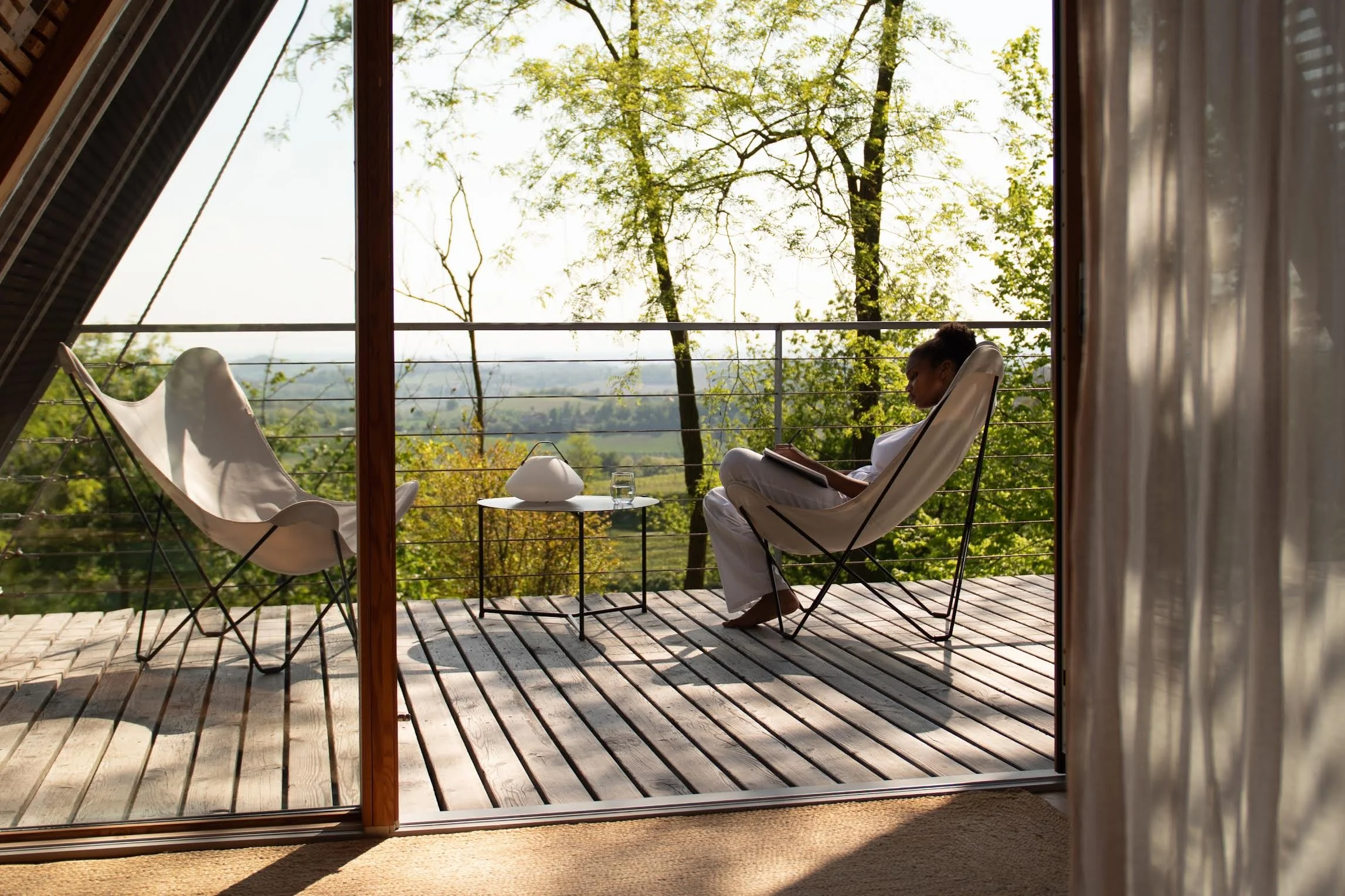
For many guests, the luxury is not inactivity but the temporary removal of distraction and decision-making.
Why the Hotel Industry Wants In
Hotels have recognized that wellness travelers are not simply purchasing treatments. They are purchasing time, expertise, privacy, and a coherent environment.
This has encouraged luxury groups to reconsider everything from room lighting and restaurant menus to mattresses, fitness spaces, air quality, outdoor landscapes, and the relationship between guests and practitioners.
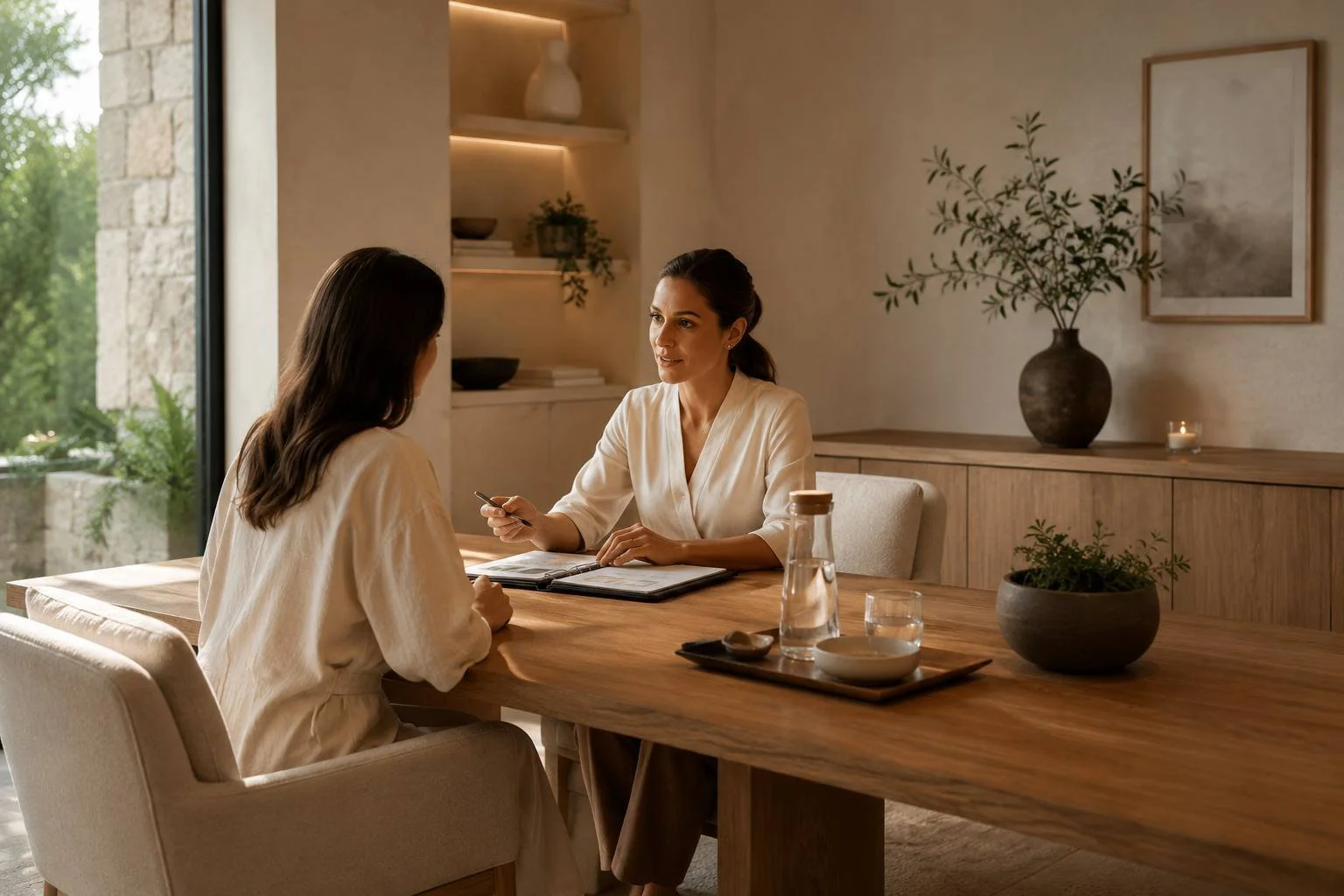
As the category matures, serious wellness resorts are increasingly distinguishing themselves through expertise, individualized programs, and qualified practitioners.
McKinsey’s research into luxury travel found that travelers increasingly expect wellness to extend beyond the spa. In its survey, 88 percent of respondents considered fitness important during leisure trips, alongside growing interest in health-focused menus, mindfulness programming, and more specialized services. (McKinsey & Company)
The commercial opportunity is obvious, but it is not without tension. Wellness depends heavily on trust. A magnificent setting cannot compensate for exaggerated medical claims, unqualified coaching, or programs that confuse deprivation with health.
The best operators understand that luxury in this field is not simply excess. It is precision: the appropriate practitioner, the right degree of privacy, carefully prepared food, intelligent scheduling, and enough personal attention to make the guest feel understood without feeling managed.
Neil Jacobs, CEO of Six Senses, has summarized the change in travelers’ expectations:
“Beyond memories, guests want more purpose and a greater takeaway from their stay.”
That greater takeaway may be a new exercise practice, an improved sleep routine, a clearer understanding of nutrition, or simply the realization that one’s normal pace has become unsustainable. (InterContinental Hotels Group PLC)
A New Kind of Souvenir
The rise of the wellness retreat is partly a response to exhaustion, but it also reflects a change in what travelers consider valuable.
A tan fades. A tasting menu becomes a pleasant memory. Even the finest hotel suite must eventually be surrendered at noon.
A useful ritual can travel home.
Sometimes the most lasting benefit of a retreat is simply relearning how to make room for stillness, quiet, and unhurried time.
That does not mean every retreat produces transformation, nor should a wellness holiday be treated as a replacement for appropriate medical or psychological care. Its realistic value may be simpler: uninterrupted sleep, professional guidance, several days without performance, and the chance to discover how different life feels when the conditions surrounding it change.
The old luxury holiday promised that nothing would be required of the guest. The wellness retreat makes a different proposition. It asks for participation, discipline, honesty, and sometimes discomfort.
In return, it offers something increasingly rare: a journey designed not merely around where a person wishes to go, but around how that person hopes to return.