
The Collector’s Instinct
Why We Gather Objects—and the Figures Who Built Worlds from Them
A collector is not simply a person who owns many things. Ownership alone produces accumulation; collecting requires selection. The collector establishes a boundary around a particular corner of the world and then begins to study it, classify it, and pursue it with increasing discrimination. A row of watches, first editions, ancient coins or vintage motorcars becomes a collection only when the objects enter into conversation with one another—and with the person who chose them.
This distinction explains why collecting has persisted across cultures and centuries. It can be found in royal treasuries, Renaissance studies, scientific cabinets, private libraries and the carefully arranged shelves of otherwise ordinary homes. The objects change, but the deeper impulse remains remarkably consistent. To collect is to impose order, preserve memory, cultivate knowledge and, sometimes, construct a public identity.
The Architecture of Desire
Every serious collection begins with attention. The future collector notices a difference that others overlook: the change in proportion between two watch cases, the hand of a particular bookbinder, the tonal qualities of an early photographic print or the significance of a maker’s mark on a piece of silver.
Once this distinction is perceived, the object ceases to be merely attractive. It becomes legible.
Collecting therefore produces expertise. The collector learns through comparison, and comparison sharpens judgment. An isolated object may seem beautiful; placed beside related examples, it reveals its date, rarity, originality and place within a larger tradition. This is why mature collectors often speak less about possession than about connoisseurship. The pleasure lies not only in acquiring, but in learning to see.
Research into collecting has repeatedly identified motives connected with personal identity, knowledge, memory and control. Objects can function as anchors: preserving an encounter, a place, a period of life or an idea of the person one believes oneself to be. A collection may also make a vast and disordered world feel intelligible. By narrowing attention to one field, the collector creates a territory in which discernment is possible, and progress can be measured.
Yet there is a paradox at the heart of the activity. A collection seeks completion, but a truly complete collection would end the search that gives collecting much of its vitality. The missing object is therefore essential. It creates anticipation, directs research and preserves the possibility of discovery.
Collectors are sustained by gaps.
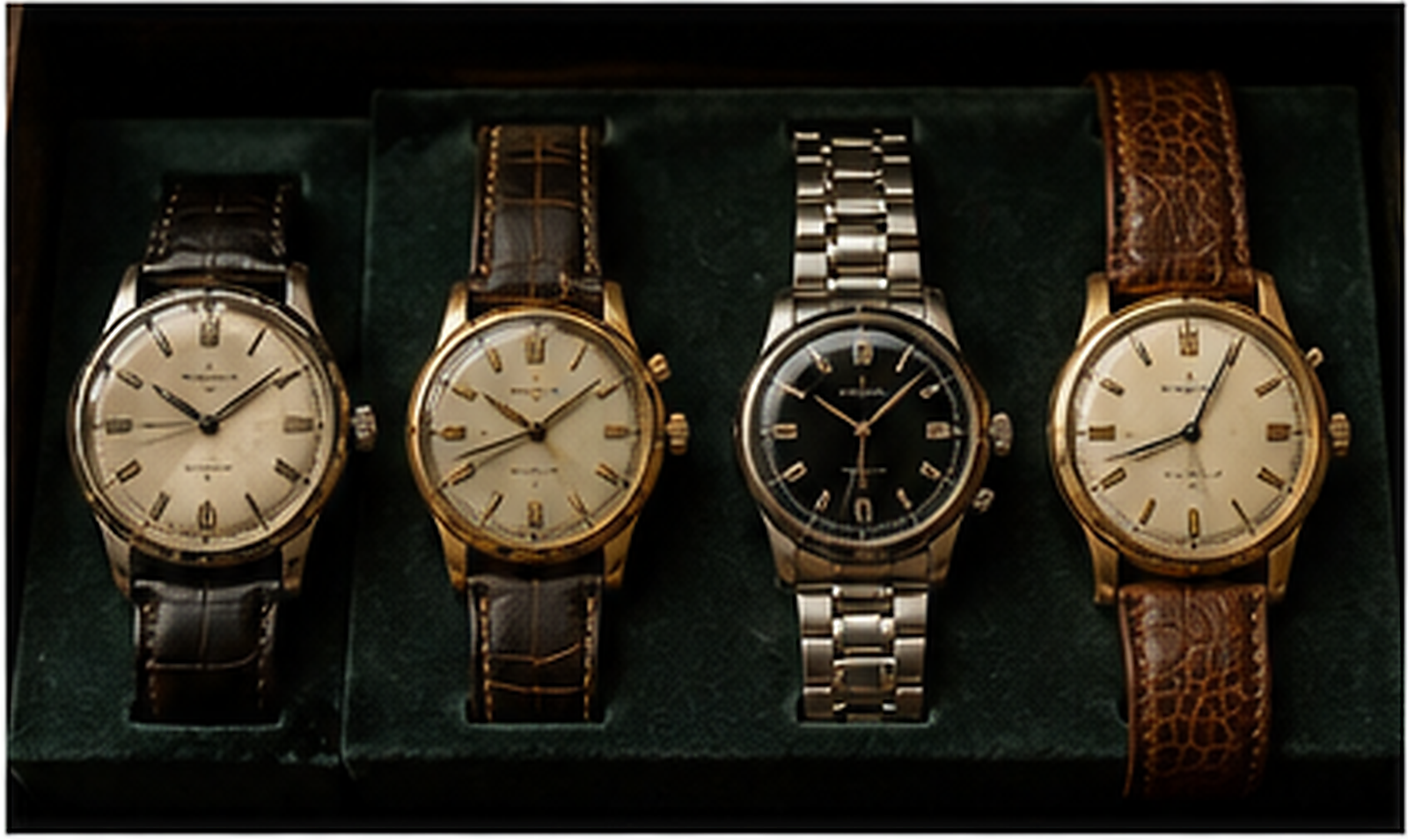
Comparison sharpens the collector’s eye, revealing differences in proportion, workmanship, condition and historical importance.
From Cabinet to Museum
In Renaissance and early modern Europe, elite collections were frequently organised as Kunstkammern or Wunderkammern—chambers of art, wonder and rarity. These rooms brought together paintings, sculpture, scientific instruments, precious minerals, shells, antiquities, mechanical devices and objects arriving through expanding global trade.
They were not museums in the modern sense. They were condensed images of the world and, often, demonstrations of the collector’s reach.
The Metropolitan Museum of Art notes that such collections were closely connected with princely representation. Their arrangement could express sovereignty, intellectual ambition and access to distant territories. The cabinet of curiosities was both a place of study and a theatre of power.
The history of collecting is therefore inseparable from the history of status. To possess rare things was to suggest privileged access to knowledge, travel, wealth and political influence. A collection could present its owner as a person capable of understanding—and perhaps symbolically commanding—the wider world.
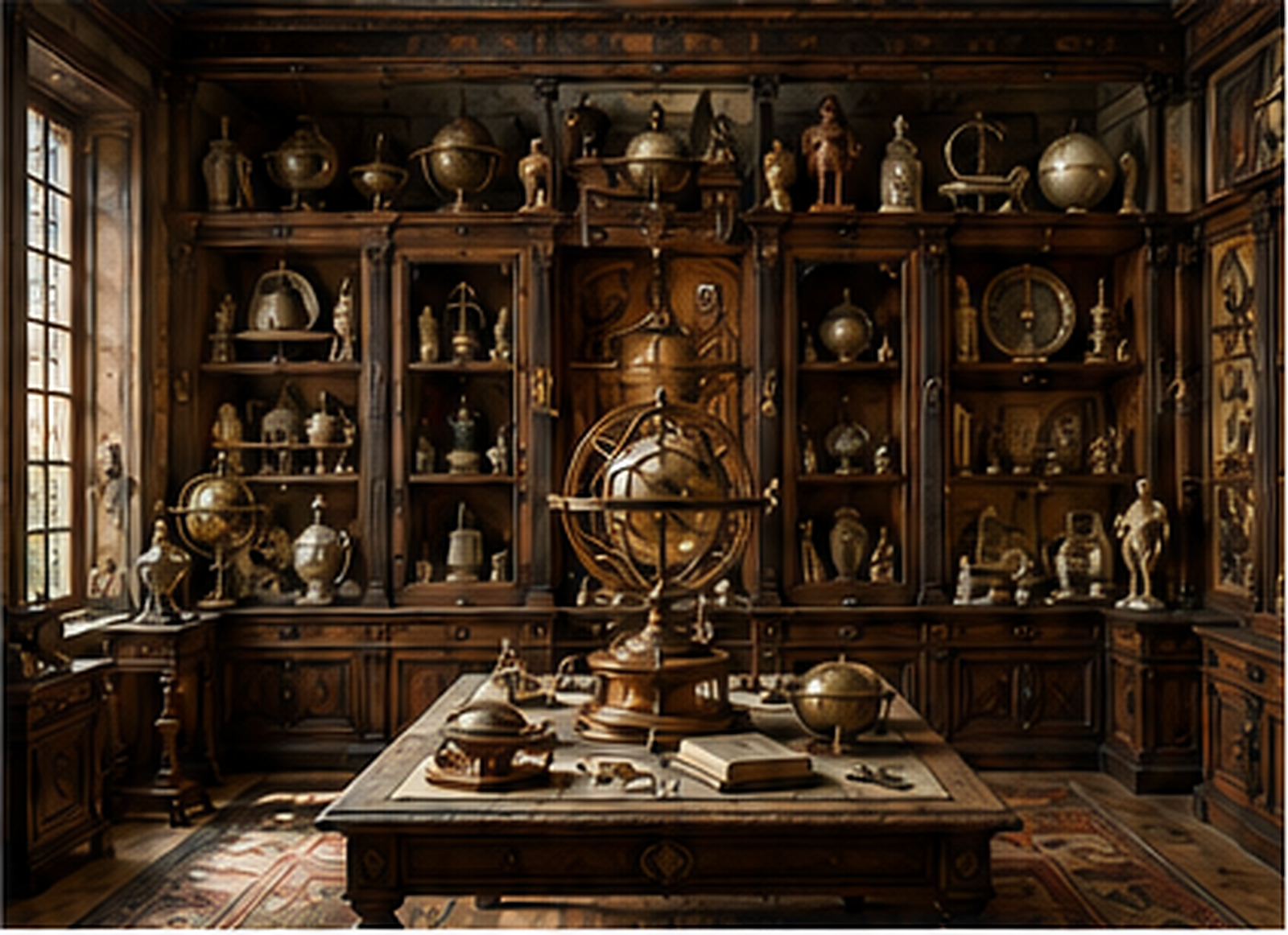
The cabinet of curiosities gathered art, science and natural rarity into a private representation of the wider world.
Emperor Rudolf II: Collecting as a Private Cosmos
Among the most celebrated princely collectors was Holy Roman Emperor Rudolf II, who transferred his court to Prague and assembled one of Europe’s greatest Kunstkammern. His holdings included bronzes, ivories, gemstones, coins, drawings, scientific instruments, natural specimens and paintings numbering in the thousands.
The collection reflected not only magnificence but an unusually broad fascination with art, astronomy, alchemy, mechanics and natural philosophy.
Rudolf’s collection has sometimes been described as eccentric, yet its apparent variety concealed an intellectual purpose. It brought the artistic and scientific worlds of his court into proximity. The collection offered a model of the universe as a network of correspondences: nature beside artifice, antiquity beside modern invention, beauty beside technical ingenuity.
It may also have served as a private refuge. Rudolf’s court attracted artists, instrument-makers and scholars, and his collection allowed their work to be considered as part of a single intellectual environment. Rather than separating art from science, his cabinet suggested that both arose from the human desire to understand creation.
After Rudolf died in 1612, much of the collection was dispersed. Its fate illustrates one of the recurring truths of collecting: the world built by one individual is often dismantled by the next generation.
Sir Hans Sloane: Collecting as Knowledge
If Rudolf’s collection represented a princely cosmos, Sir Hans Sloane’s represented the ambition to catalogue the natural and human world.
A physician, naturalist and president of the Royal Society, Sloane assembled plants, animals, books, manuscripts, coins and artefacts on an immense scale. By the time of his death in 1753, his holdings numbered more than 71,000 objects. They became one of the founding collections of the British Museum.
Sloane exemplifies the Enlightenment collector: systematic, encyclopaedic and convinced that objects could produce knowledge when preserved, compared and classified. A shell was not merely decorative, nor a plant specimen merely curious. Each could contribute to a larger attempt to describe the natural world.
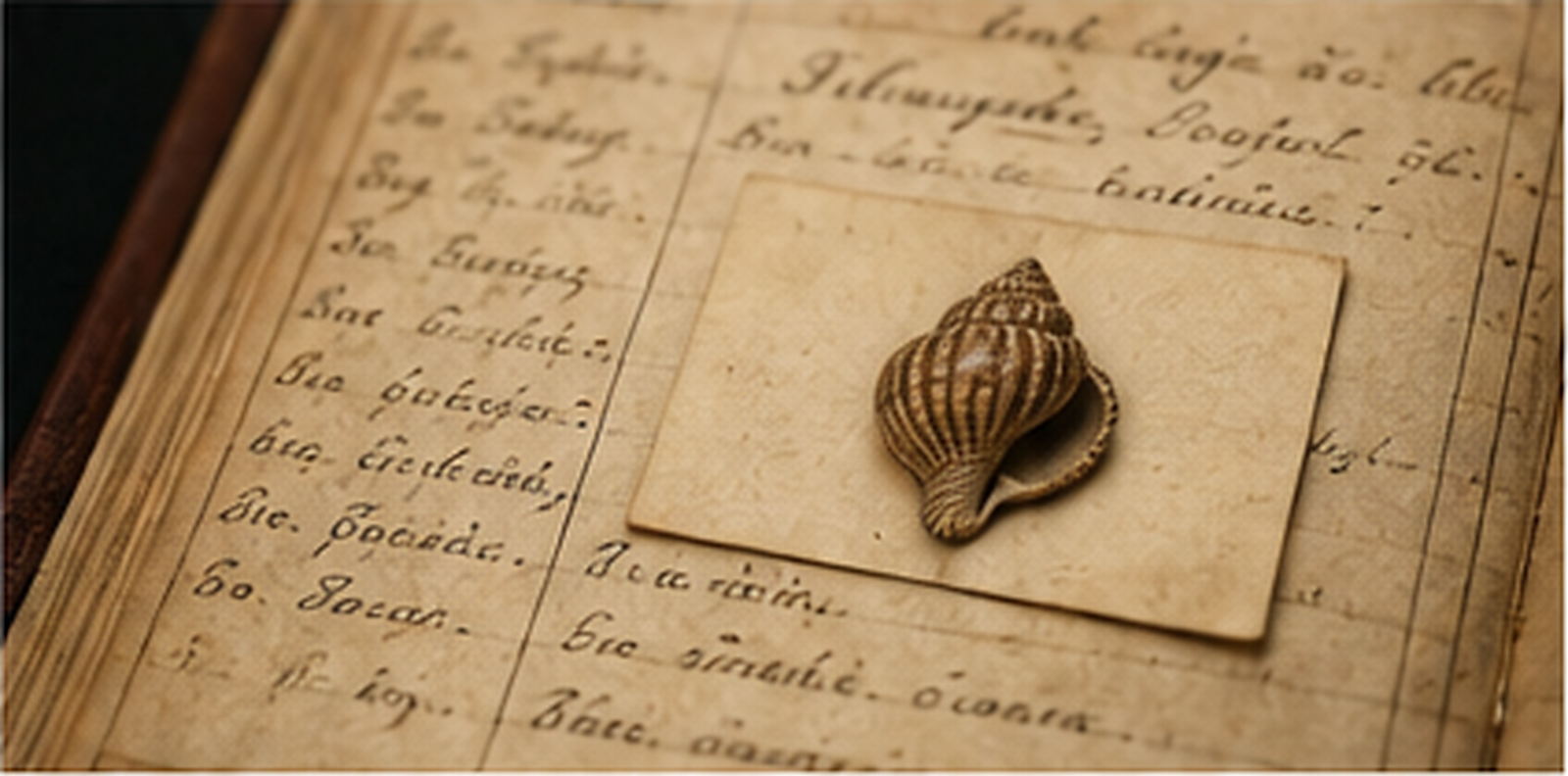
Catalogues, observations and carefully preserved specimens transform possession into organised knowledge.
His legacy, however, is also inseparable from the commercial and colonial networks through which many objects and specimens reached Europe, as well as from wealth connected to slavery. A scholarly view of collecting must therefore consider not only taste and preservation, but the systems of power that made certain collections possible.
Great collections may protect cultural material, but they can also embody unequal histories of extraction. The collector’s claim to preserve the world must always be considered alongside the question of how that world was acquired.
Isabella Stewart Gardner: Collecting as Self-Portrait
Isabella Stewart Gardner transformed collecting into an intensely personal art.
Born in New York in 1840 and later established in Boston, she travelled extensively through Europe and Asia. After receiving a substantial inheritance in 1891, Gardner greatly expanded her acquisitions and eventually created a Venetian-inspired museum in Boston. It opened in 1903 for the education and enjoyment of the public.
Gardner did not arrange her collection according to the neutral chronological systems now associated with many museums. Paintings, furniture, textiles, architectural fragments, manuscripts and personal objects were composed into atmospheric rooms.
The result is less like an illustrated textbook than an inhabited memory.
Each room reveals relationships created by Gardner’s eye. A Renaissance painting may be viewed above a textile, near a carved stone fragment and across from a piece of furniture from another century. The arrangement does not simply inform the visitor. It creates a mood.
This made Gardner more than an acquirer. She was an editor of space. Her museum argues that the meaning of an object is altered by its neighbours, its light, its height, and the route by which it is encountered.
In her hands, collecting became authorship.
Henry Clay Frick: Collecting as Permanence
Henry Clay Frick began forming his art collection in the late nineteenth century and continued acquiring until he died in 1919. He ultimately left his New York residence, its furnishings and its collection of European paintings and decorative arts to the public. The Frick Collection opened in 1935.
Frick’s approach differed from Gardner’s theatrical eclecticism. His collection projected concentration, gravity and permanence. Old Master paintings, sculpture, furniture, porcelain and decorative objects were installed within the domestic architecture of a Gilded Age mansion.
The visitor does not experience art as a sequence of isolated masterpieces, but as part of an ideal of cultivated living.
Like many industrial-age collectors, Frick used private wealth to acquire European art at a moment when major works were moving into American collections. Such patronage helped establish important public institutions, while also raising enduring questions about the relationship between industrial capital, social authority and cultural legitimacy.
The collection offered its owner more than beauty. It offered permanence—the possibility that a fortune made in business could be translated into a cultural institution that survived the individual who created it.
J. Pierpont Morgan: Collecting as Institutional Power
J. Pierpont Morgan collected across an extraordinary range: manuscripts, books, drawings, paintings, decorative arts and historical objects. His influence extended beyond his personal holdings. As a major patron of the Metropolitan Museum of Art, he helped shape the development of American museum culture. The Met’s decorative arts department, for example, was significantly transformed by his gift of the Hoentschel collection.
Morgan demonstrates how a collector can become an institution-builder.
His library was not merely a room of valuable books. It was a statement that cultural knowledge deserved architecture, stewardship and continuity. The collector’s private appetite was converted into public infrastructure.
Morgan’s collecting also reflected the international movement of art during the late nineteenth and early twentieth centuries, when American financiers acquired objects that had previously remained in European aristocratic and ecclesiastical collections.
To his admirers, Morgan preserved works and made them accessible to a growing American public. To his critics, he represented the ability of immense private wealth to redirect cultural patrimony. Both interpretations reveal the power a major collector can exercise over the historical record.
Peggy Guggenheim: Collecting the Present
Peggy Guggenheim represented a different kind of collector: one who did not wait for history to certify importance.
She supported and acquired the work of living artists associated with Dada, Surrealism, and Abstract Expressionism, becoming an advocate for forms of art that were still controversial or poorly understood. The Guggenheim describes her as a self-declared “art addict” who sought an identity distinct from her business-oriented family.
Her significance lies not only in what she bought, but in when she bought it.
Collecting established art requires resources and knowledge. Collecting emerging art requires conviction. It means accepting the possibility of error and placing one’s judgment ahead of consensus.
The contemporary collector participates in a living network of artists, critics, dealers and exhibitions. His or her decisions can provide material support, generate attention and influence which works survive long enough to enter the historical canon.
In this sense, the collector becomes a participant in cultural history rather than merely its custodian.
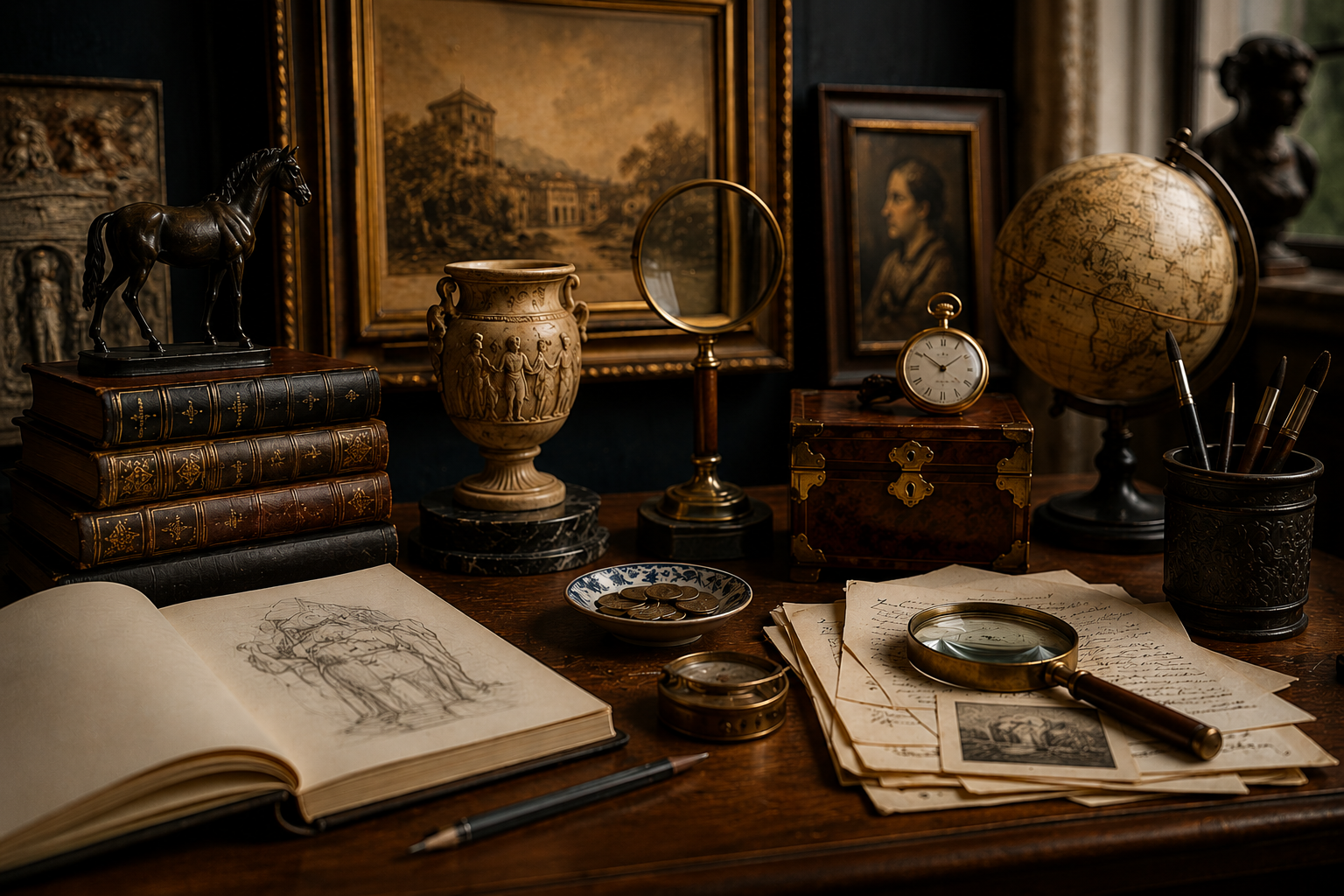
The collector’s world is shaped by judgment, curiosity and memory—each object chosen as part of a larger story.
What Separates the Collector from the Consumer?
The consumer asks, “Do I want this?”
The collector asks additional questions. What is it? Who made it? What came before it? How does it differ from another example? What condition is it in? What story does it complete—or complicate?
This is why price alone cannot create a serious collection. An expensive group of objects may still be incoherent, while a modest collection can possess intellectual clarity. The essential elements are curiosity, discipline and a point of view.
The strongest collectors know why an object belongs and, equally important, why another does not.
Restraint is therefore one of the collector’s most sophisticated skills. Early enthusiasm often encourages indiscriminate acquisition. Experience introduces refusal. The collector learns to wait for the correct example, to distinguish rarity from importance and to understand that an object can be desirable without being necessary.
A collection gains meaning through exclusion as much as inclusion.
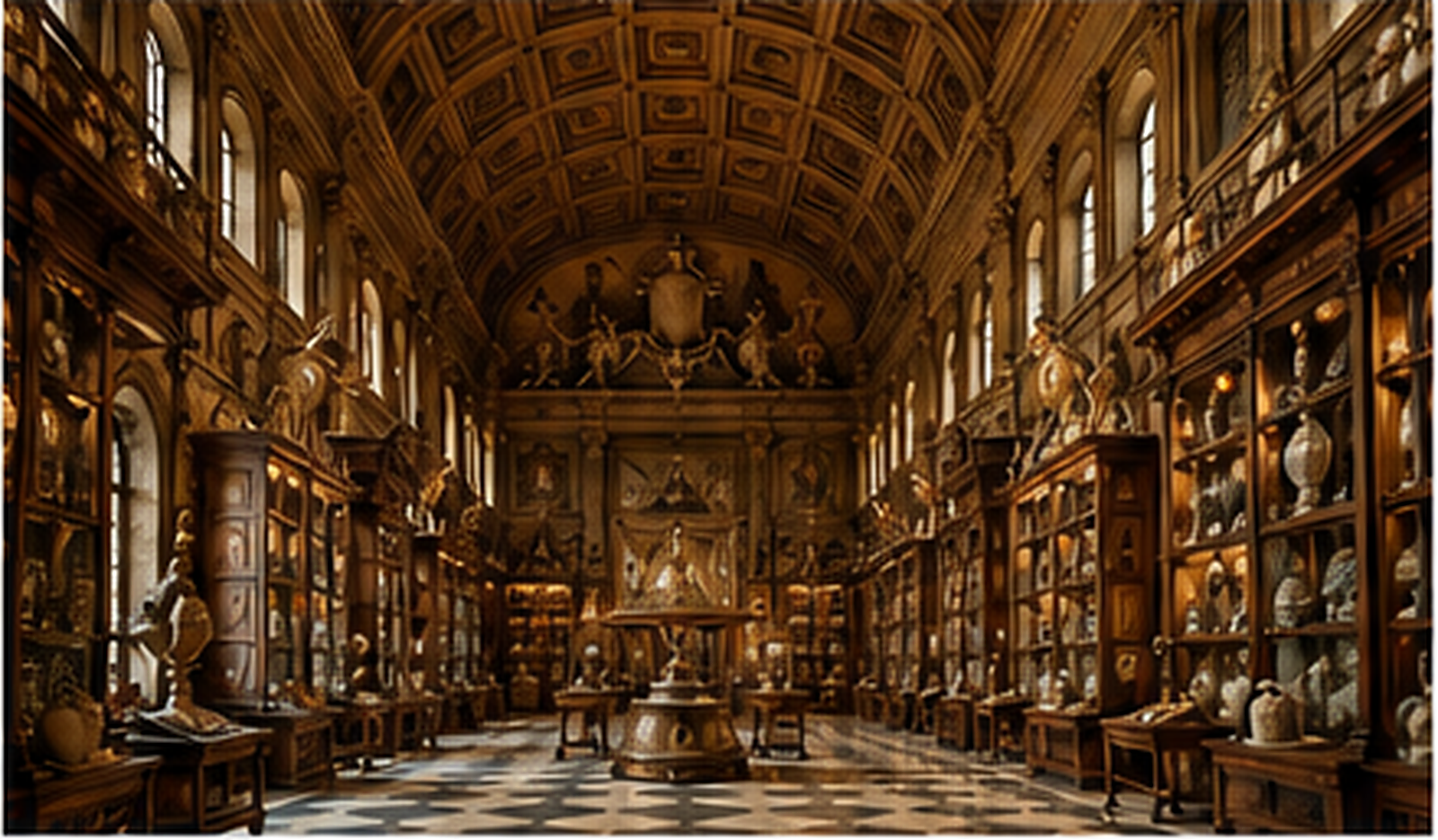
When a private collection becomes an institution, the collector’s particular way of seeing is preserved for future generations.
The Legacy Question
Every collection eventually confronts the question of succession. Objects may be sold, donated, inherited, dispersed, or transformed into a museum. The collector, however powerful, is temporary; the collection has the possibility of a longer life.
This awareness changes the nature of ownership. The most thoughtful collectors begin to see themselves as custodians. They conserve records, establish provenance, support scholarship and consider the future context in which the objects will be understood.
Their achievement is not simply that they possessed remarkable things. It is that they created relationships among those things and made those relationships visible to others.
To collect, at its best, is to practise a form of disciplined attention. It is to say that certain objects deserve to be studied, preserved and placed in meaningful company.
The great collectors of history built museums, but before they built institutions, they built ways of seeing. Their true legacy is not the number of objects they acquired. It is the order, argument, and imagination they brought to the world.