
Old World Elegance Still Left in Cairo?
I arrived in Cairo, finally. It took a full day to even arrive at the city, and I am here not even a full day, and my friend Amro wants to take me out.
“Go out?!”
I want to stay in a hotel with Wi-Fi and the comforts of home. I’m not a fan of the chaos I know is waiting outside.
“I’m taking you to lunch. I must show you this amazing little spot I found.”
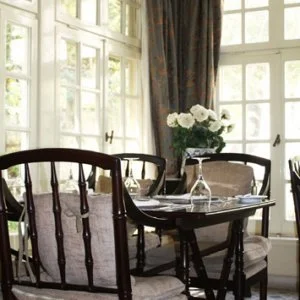
The amazing spot is a 1920s villa converted into a 13-suite boutique hotel in Cairo's Maadi neighborhood. I had heard much about Maadi but had never visited. Today was as good a day as any, so we ventured out into the bustling streets of Cairo.
I’ve been to Egypt and specifically Cairo, many times over the past three years. The first time was a wonder at the pyramids and the masses of people; now it’s loud, crowded, and dirty. I go now only when I need to, for business.
Maadi I am told is different though. I couldn’t imagine how different it is, though.
Maadi literally means “ferry boats,” presumably called that due to the fact that the neighborhood originated on the Nile River’s east bank in 1907. This quarter of the city has always been synonymous with privilege. Wealthy, cosmopolitan Cairenes built stately residences and filled their gardens with an array of exotic plants and trees.
The neighborhood is home to over a dozen embassies and much of the expatriate community.
We exited the ring road and entered Maadi. It didn’t seem any different than any of the other slums. Amro has to explain to me that there are two parts of Maadi: the old part and the newer part built by Naser, with ugly architecture from his time.
He told me to be patient, and all of a sudden, there were trees overhead. Everywhere I looked, there was green. A sight that was most appreciated in this dusty wasteland.
Greenery and small streets, and the best part? Quiet. No more honking cars, or children in the street, or goats eating garbage. Maadi seemed like a beautiful, civilized place. I didn't believe I was still in Egypt.
We parked the car on the side of the road and walked to our destination. The Villa Belle Epoque.
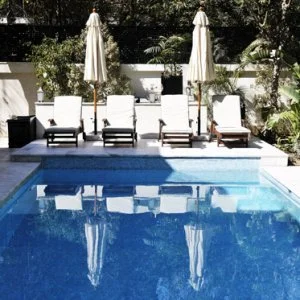
Villa Belle Époque was built in the 1920s and recently refurbished to reflect its colonial origins. The hotel, its swimming pool, sundecks, and patios are surrounded by lemon, mango, olive, and guava trees, intermingled with centennial palms.
The dining rooms and salons were richly yet understatedly decorated with a period feel and embellished with works of contemporary Egyptian art. Villa Belle Époque allows visitors to relive the comfort and elegance of a bygone era. I almost felt as if officers and their girlfriends would walk in at any moment and order some tea.
Amro had been telling me about Belle Epoque for months, waiting to show me that Cairo does indeed have some old-world elegance left. I have to admit, drinking a merlot at twilight on the patio with the soft sound of jazz music coming from the house, I found some beauty left in a county that has gone to hell.